The fashion industry today thrives on speed, novelty, and constant consumption. Microtrends dictate what we wear, and clothing is often treated as disposable, designed to be replaced rather than cherished. In this system, longevity, timeless style, and quality assurance are rarely priorities.
Large corporations profit from this cycle, yet the people making the clothes, the consumers wearing them, and the communities dealing with waste often see little benefit. Society as a whole pays the hidden cost when money is spent inconsiderably rather than considerably. The prevailing measure of success; revenue, often obscures the value of lasting quality, personal responsibility, and sustainable choices.
A shift is possible. A change in fashion redefines value by emphasizing durability, care, and connection. It begins with materials that are regenerative, reusable, and produced close to where they are sold. But it is also a shift in mindset; from chasing microtrends to investing in clothing that reflects personal identity and strengthens the relationship between money and quality.
It also encourages a connection to the items we invest in. Developing a personal relationship with what we wear encourages care, repair, and reuse. This means supporting businesses that sustain quality, rather than discard it. In practice, this is not about losing capital, but about redirecting it responsibly; investing in items, practices, and producers that create lasting value. In doing so, individuals experience a positive impact on their own economy: spending becomes meaningful, purchases last longer, and money circulates toward responsible, sustainable systems.
By embracing this approach, fashion becomes more than clothing, it becomes a tool for personal responsibility, mindful spending, and cultivating identity. Every choice we make with our money can support a circular, sustainable economy: investing in durable, high-quality pieces strengthens our personal economy, reduces waste, and aligns our consumption with our values. Through conscious engagement with what we wear, we not only shape our own identity but also contribute to a system where sustainability and quality are rewarded, creating a meaningful connection between personal choices, economy and lasting impact.
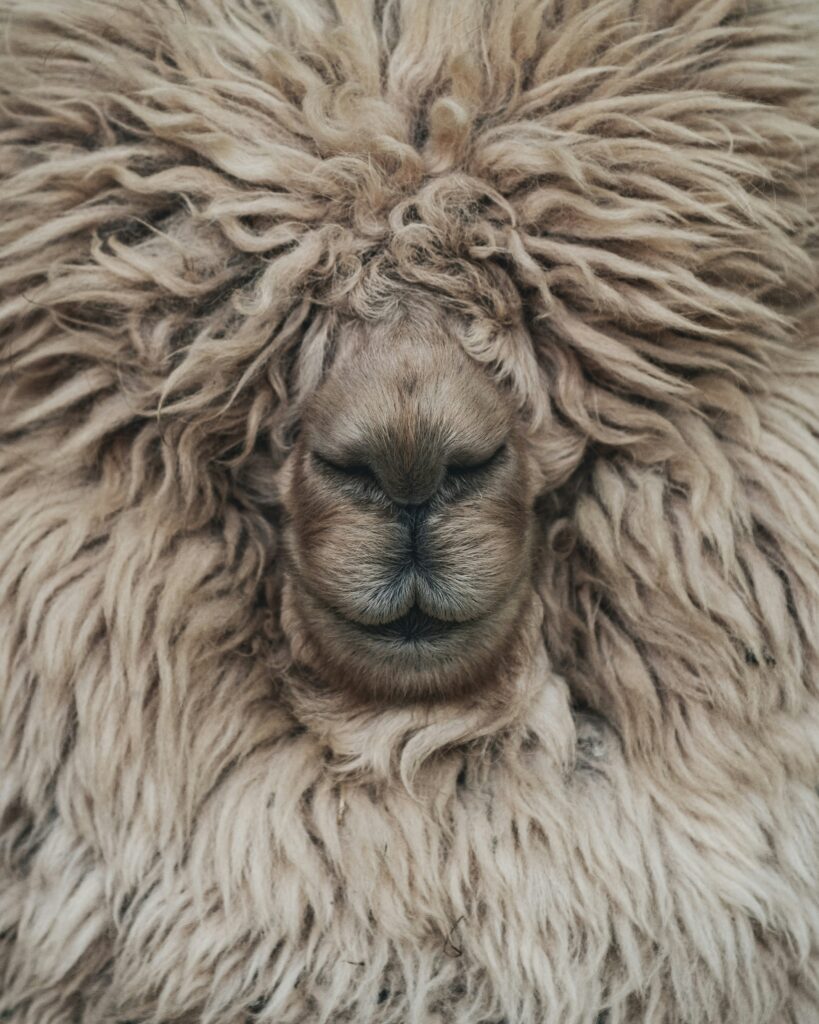
An example of a thought-through business model is my own mother´s company ´Felt Sense´ where she makes clothes from closely produced wool, and where the revenue goes straight to investments in our own sustainable farm (natural preservation, animal wellfare etc). True according to the principle of ”from farm to fiber to fashion”, she creates clothing from sustainable, nearby produced fibres in lasting quality and style.
For more examples of sustainable fashion businesses take a look at: https://fibershed.org
And a book tip for further reading on the topic: ”The Anti-Capitalist Book of Fashion” by Tansy E Hoskins